

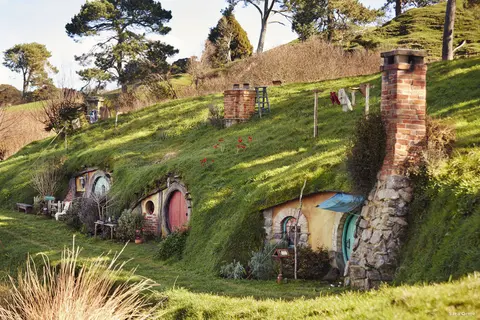
New Zealand. To some, it brings to mind the Lord of the Rings movie trilogy, where director Peter Jackson filmed most of the scenes. To volcanologists, it’s the land of gorgeous volcanoes!
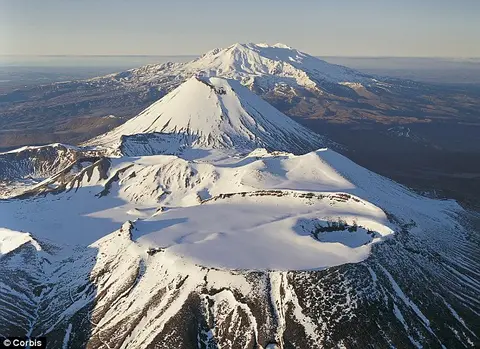
The North Island of New Zealand is particularly abundant in volcanoes, and several of these volcanoes are considered active and closely monitored by the government and GNS Science, one of the more active research institutes in New Zealand. There have been several notable eruptions in the North Island, including the caldera forming one that created what is now Lake Taupo. As always, the science behind these eruptions is interesting, but what makes it fascinating is when science and culture cross.
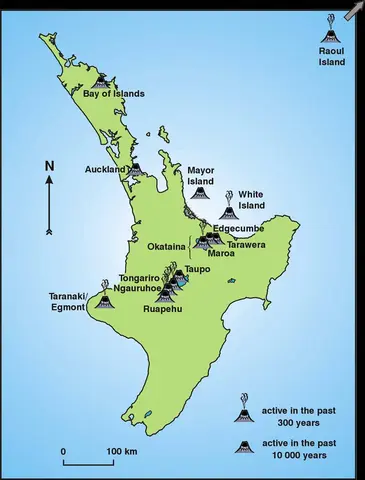

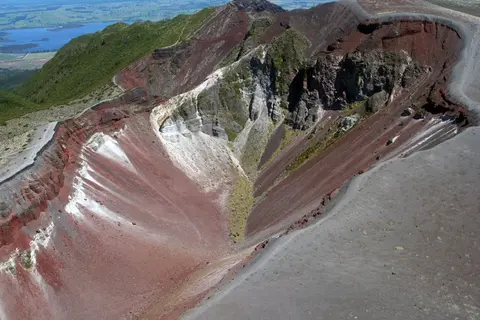
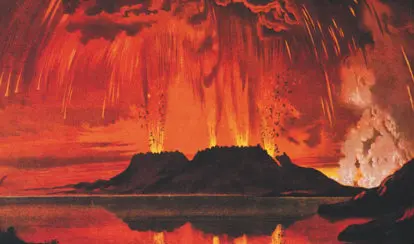
Mount Tarawera is located within the Taupo volcanic zone, same as Taupo. It erupted in 1315, producing one of New Zealand’s largest historic volcanic eruptions. Its more recent eruption, in 1886, is the one that has struck the interest of many due to the appearance of the “phantom canoe”.
The lead up to the 1886 eruption was a series of really strong eruptions starting in the middle of the night, on the 10th of June. The initial pyroclastic surge destroyed several villages in the immediate surroundings, and ash was found as far as Christchurch! What is really unique is that the eruption was so big and loud that residents in Auckland saw flashes of light and hear the roaring of the eruption that they thought Russian warships were attacking! Considering how big the eruption was, it was a miracle that the death toll was between 120-150 people. Several Māori villages were buried, including one that has since become a tourist attraction, Te Wairoa.
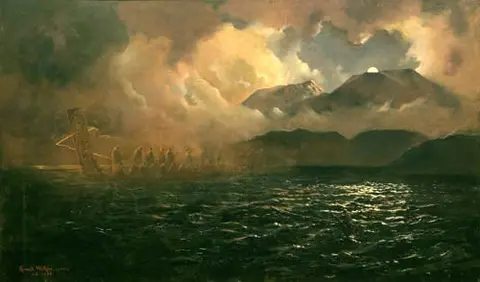
Can the next eruption at Mount Tarawera be foretold with the appearance of the phantom war canoe? We don’t know, but we like this fascinating combination of culture and volcanoes!
For more information on Tarawera, click here.