•   Volcanoes
    • Current Eruption Reports
    • Volcano Alpha Table
    • Volcanoes by Country
    • Central Andes (Subsite)
    • Extraterrestrial Volcanoes
  •   Learn More
    • Hawaiian Volcanism
    • Mount Saint Helens
    • Japan Overview
    • Submarine Volcanoes
    • Hydrovolcanism
    • Types of Volcanoes
    • Lava Domes
    • Volcanic Lightning
    • Volcanic Sounds
    • Tsunamis
    • Volcanic Minerals
    • Volcanic Gases
    • Working on Volcanoes
    • Earth Science Lessons
      • Plate Tectonics
      • Earthquakes and Volcanoes
      • Eruptions
      • Rocks and Minerals
      • Prehistoric Earth
    • Columner Jointing
  •   Fun Stuff!
    • Virtual Volcano Fieldtrips
    • Volcanic Parks
    • Art Gallery
    • Volcano Games
    • Volcano Factoids
    • Building Volcano Models
      • Modeling Caldera Collapse
    • Volcanic Folklore
  •   Interviews
  •   FAQ's
  •   Glossary
  •   Sitemap
  •   About
    • Contact Us
Home | Volcanogenic Tsunamis

Mt St Helens

            St Helens

  st helens


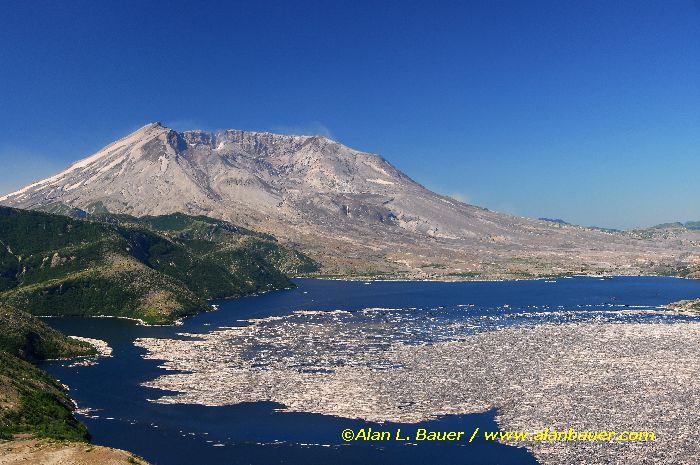
                        While the 1980 eruption of Mt St Helens (USA) is one of the most well-known and thoroughly-studied volcanic events of our time it does not come close to accounting for the greatest loss of life. However, were there a large population surrounding the once-pristine waters of Spirit Lake in May of 1980, it would be a different story. When St Helens erupted the massive avalanche of debris that slid from the mountain crashed into the lake at its base with such force that a wave of water 250m high was sent smashing to shore. That’s over 6 times the height of the devastating tsunami unleashed by the Krakatoa eruption in 1883!
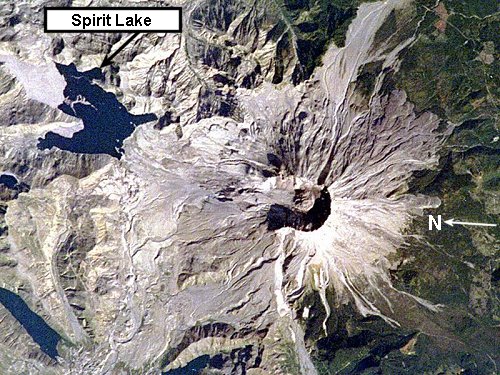
    

spirit lake - nasa

Photo Courtesy:  NASA


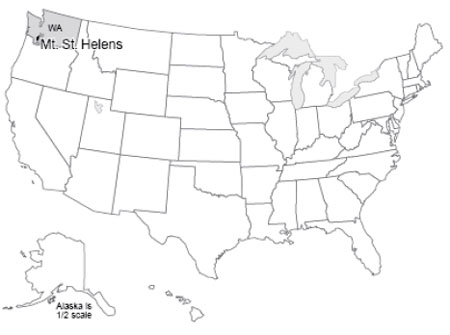
st helens on map

Image Courtesy:  Pennsylvania State University

‹ Ritter up Reference Material ›
Printer-friendly version
  • Vesuvius
  • Komagatake
  • Oshima-Oshima
  • Unzen
  • Tambora
  • Ritter
  • Mt St Helens
  • Reference Material
VW is a higher education, k-12, and public outreach project of the Oregon Space Grant Consortium
administered through the Department of Geosciences at Oregon State University.

Disclaimers and Policies | Login

Powered by Drupal and Drupal Theme created with Artisteer.